MBTA wins $140M grant to add double track, upgrade Reading station
(2-minute read)
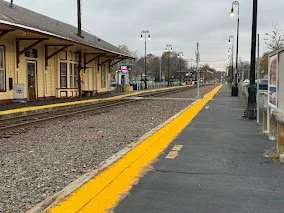
Reading station is slated for a high-level replacement under the grant along with a second track. Photo by Taylor Gregory.
Reading station is set for a high-level platform, and the stretch of Haverhill Line track running from downtown Reading toward North Wilmington will gain a long-sought second track under a nearly $140M federal grant announced Friday.
The MBTA will receive $139.6M from the Federal Railroad Administration to add a second track, update stations, and modernize signal systems along the Haverhill commuter rail line, Governor Maura Healey’s office announced on August 14. The agency has estimated the full project will cost about $180M, according to the research organization MassINC.
What it means for Reading
Much of the new second track will be laid between Reading and North Wilmington Junction, with the remainder in Ballardvale, at Lowell Junction. Reading, North Wilmington, Ballardvale, and Andover stations are each slated to receive high-level platforms to make boarding easier for riders using wheelchairs, strollers, and mobility devices.
The project also calls for 10 miles of new fencing between Andover and Reading and updates to more than a dozen rail crossings.
Why a second track matters
The Haverhill Line spans more than 30 miles and 15 stations, and it has drawn steady criticism for infrequent service and for bottlenecks caused by long stretches where trains share a single track. When only one track is available, trains traveling in opposite directions must wait for one another to pass.
A second track allows those trains to run simultaneously. The MBTA said the added capacity will also reduce the bus shuttles it runs during maintenance and provide dispatchers with an alternate route when a train runs into trouble.
New double track gives us more operational flexibility and the ability to decrease commute time along the line,” said Phil Eng, interim state transportation secretary and MBTA general manager. Eng said the investment will deliver major improvements in safety, reliability, and accessibility along the corridor.
Part of the regional rail vision
MBTA officials framed the work as a step toward running the commuter rail more like a regional rail network, with trains spaced more evenly throughout the day rather than concentrated around a 9-to-5 commute. Advocates have long argued the Haverhill Line carries far fewer trains than its potential ridership would justify, with MassINC describing current services as remarkably infrequent.
The line also shares track with several freight trains each day, a source of scheduling conflicts flagged by the advocacy group TransitMatters in a 2021 report. The MBTA said the new double track will improve freight movement as well.
“Improving freight allows for more efficient movement of goods and helps control costs for the public,” Eng said.
In a statement, Healey credited the state’s congressional delegation with helping secure the money and said the upgrades would mean fewer delays and safer, more accessible stations for riders.
Reporting for this article drew on coverage by Emily Spatz of The Boston Globe.
