Reading Public Schools publishes FAQ ahead of November override vote
(3-minute read)
The Select Board voted on Tuesday, July 28, to place an operational override of $6.5M on the ballot for the November 3 election, and Reading Public Schools has published a Frequently Asked Questions document to help residents understand what the measure would mean for the district’s fiscal 2028 budget.
The district said it will continue updating the Frequently Asked Questions document as more information becomes available over the coming weeks and months. Several of the questions it answers get at the heart of how the override would work and why the town says it is needed.
What is free cash?
Free cash is unrestricted revenue left over from the previous fiscal year. It is generated from actual revenue collections that come in above budget estimates, from interest income, and from departmental spending that finishes under budget. Reading has historically used a portion of its free cash reserve in the operating budget. Over the past three years, the town has spent down free cash faster than it has regenerated it, a reversal from earlier years when regeneration generally outpaced use. The FY27 budget relies on $6.475M in free cash to balance, which the district says is not sustainable for FY28 and beyond.
How does an operational override differ from a debt exclusion?
An operational override funds ongoing costs such as salaries, programs, and day-to-day operations, which is what the FY28 conversation is about. It permanently raises the property tax levy. Once approved, the higher amount becomes the new base going forward and grows by 2.5% each year, like the rest of the budget.
A debt exclusion override is temporary. Reading has used debt exclusions for capital projects, like the Killam School and Reading Center for Active Living (ReCAL). A debt exclusion lets the town raise taxes above the levy limit only for as long as it takes to pay off the debt on a specific project. Once that debt is paid, the tax impact goes away, and the levy limit drops back down. Because it is tied directly to a single project’s bond payments, a debt exclusion adds nothing permanent to the town’s base budget.
When was the last operational override?
Reading’s last operational override passed in 2018 at $4.15M. It was meant to support the budget for three to five years before the town would need to return to voters. In practice, the town went eight years without another operational override.
What has the town done so far to reduce costs?
The district points to several steps already taken, including:
Renegotiating its health insurance agreement, with projected savings of $3.9M over three years
Renegotiating its property and casualty insurance
Leaving some positions unfilled
Increasing fees
Cutting office supplies by 10%
Reducing the FY27 capital budget from 5% to 4.5%
The town also expects pensions to be fully funded by FY32, which would free up an estimated $3M for operational expenses.
When will residents know more?
The town and school district will keep sharing details on their websites, the town site and the school district site, through the summer and fall, along with joint community engagement opportunities over the same period. The first Override Community Forum will be held virtually on Thursday, August 6.
Where to see more
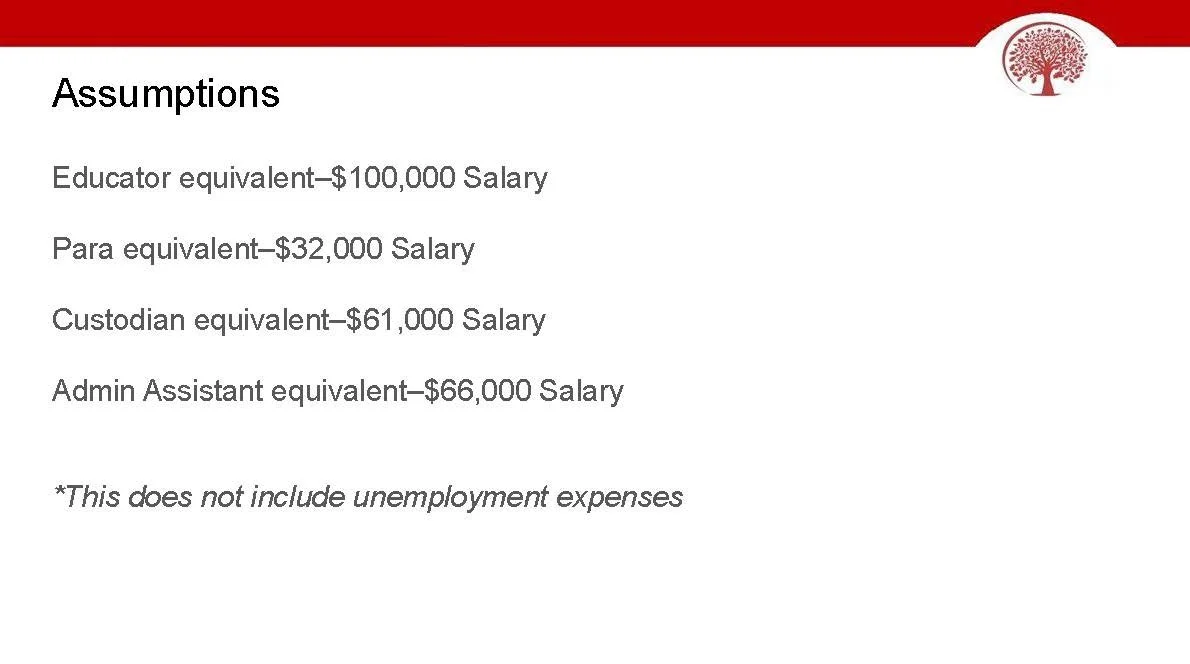
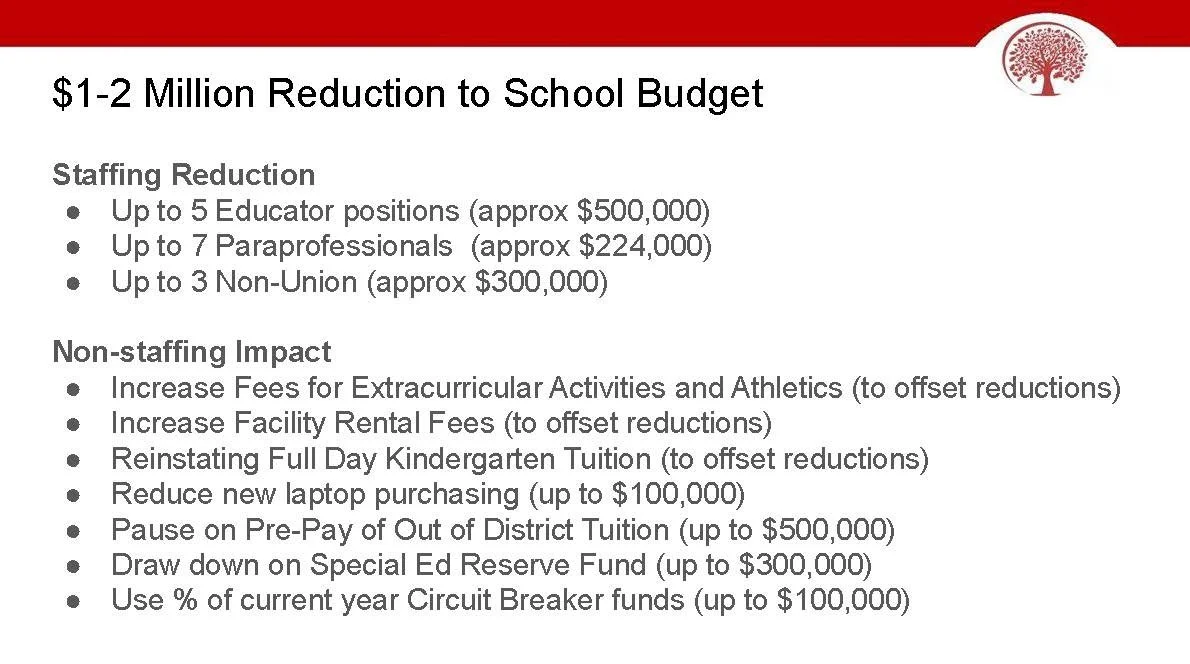
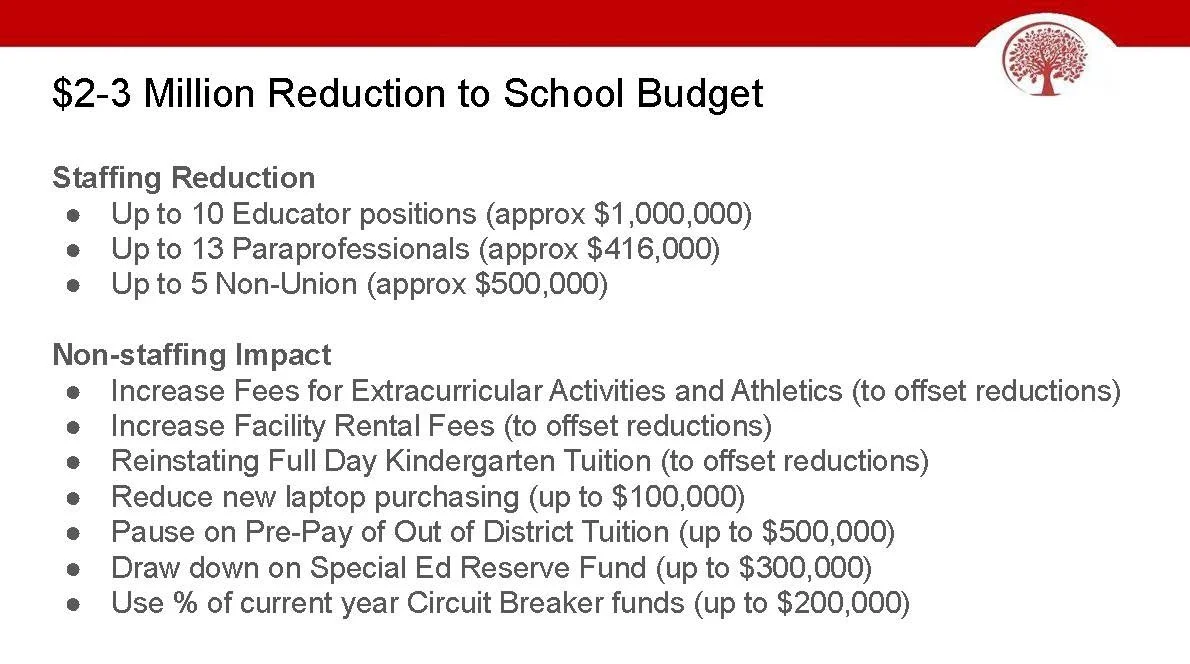
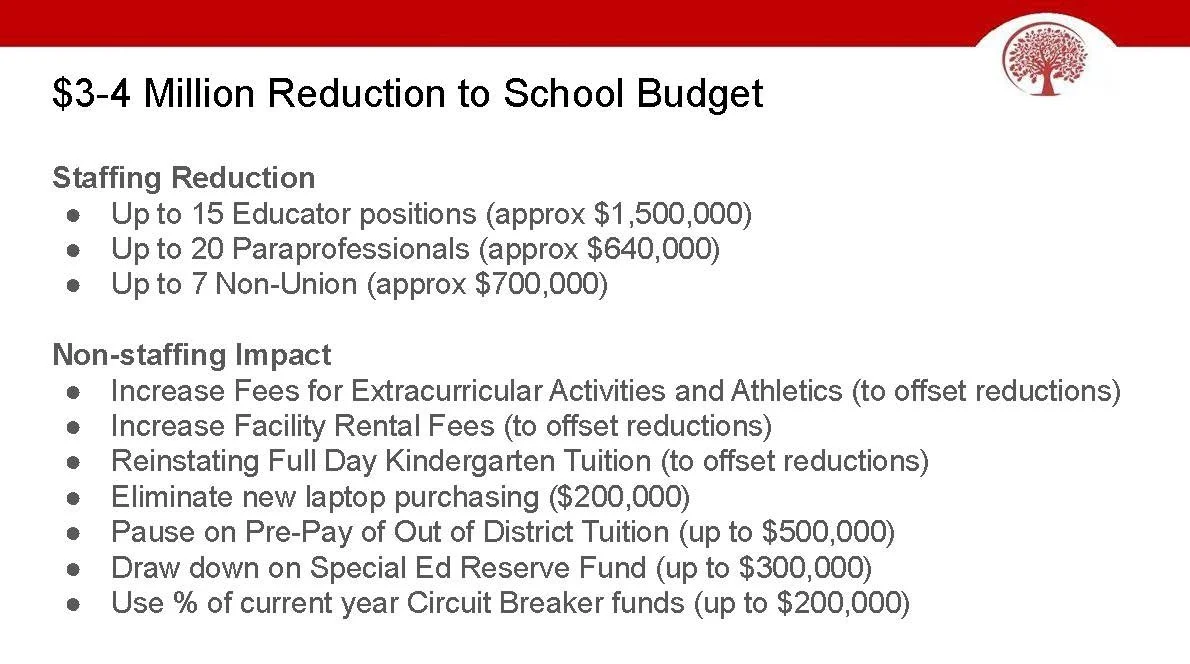
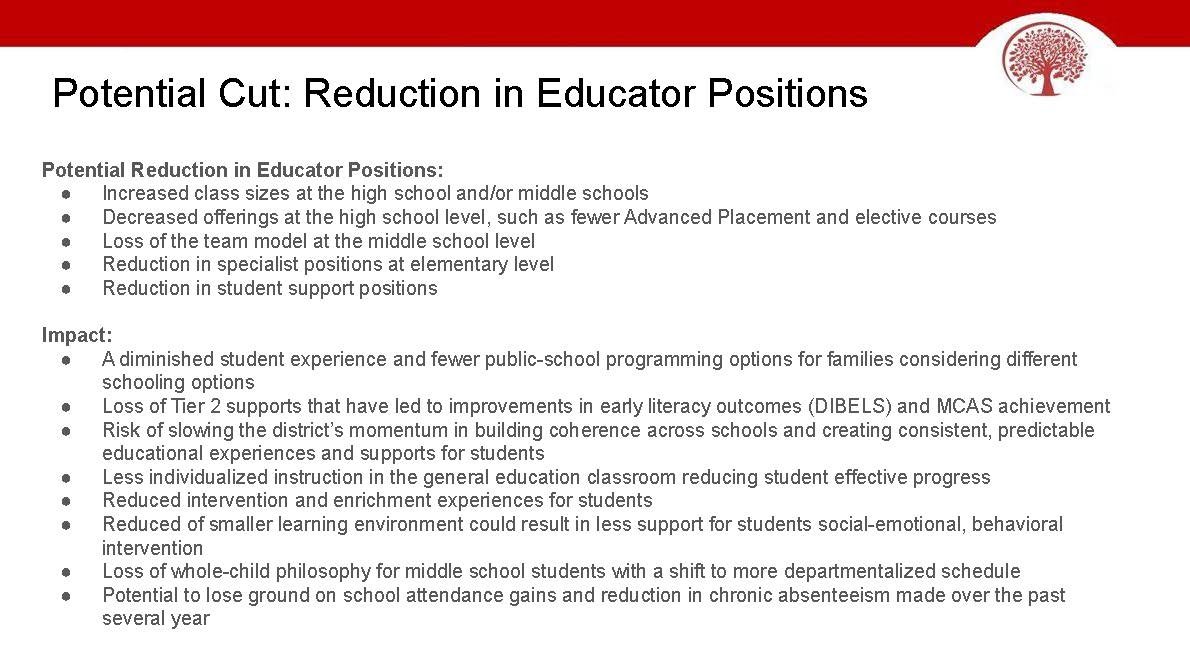
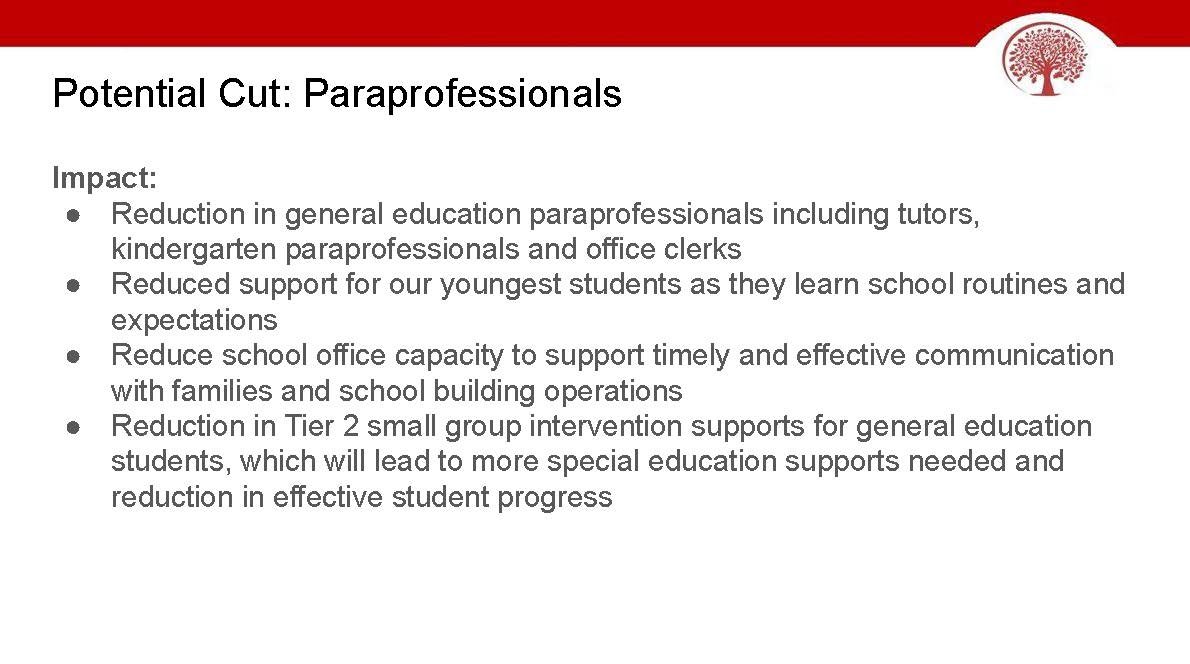
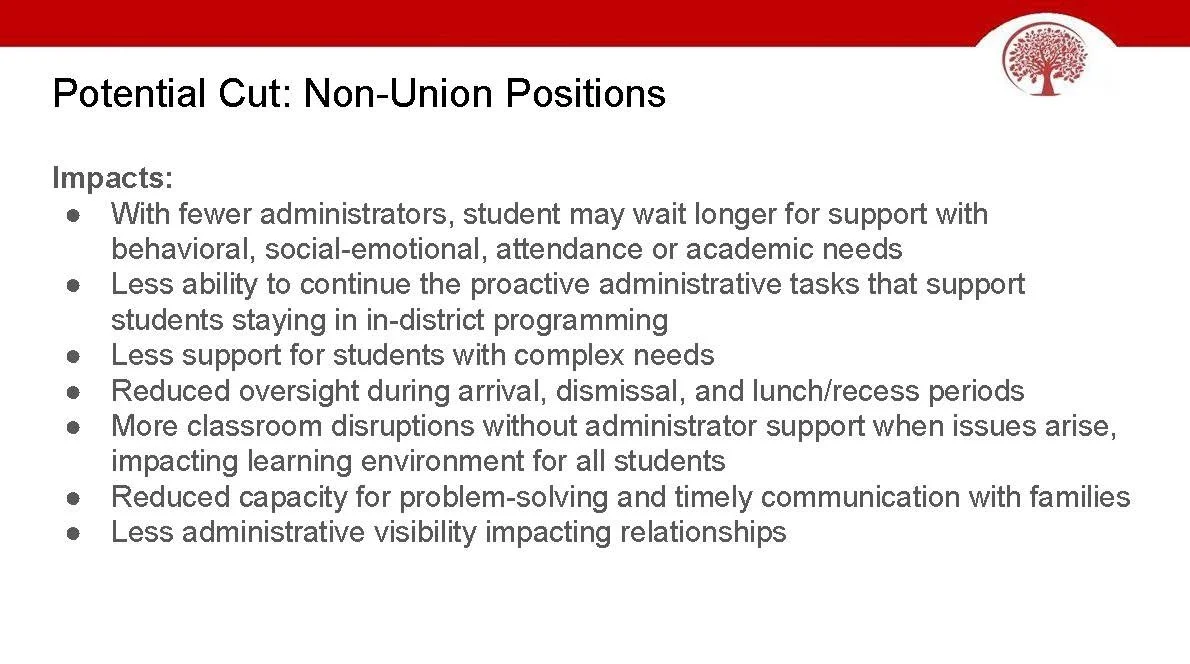
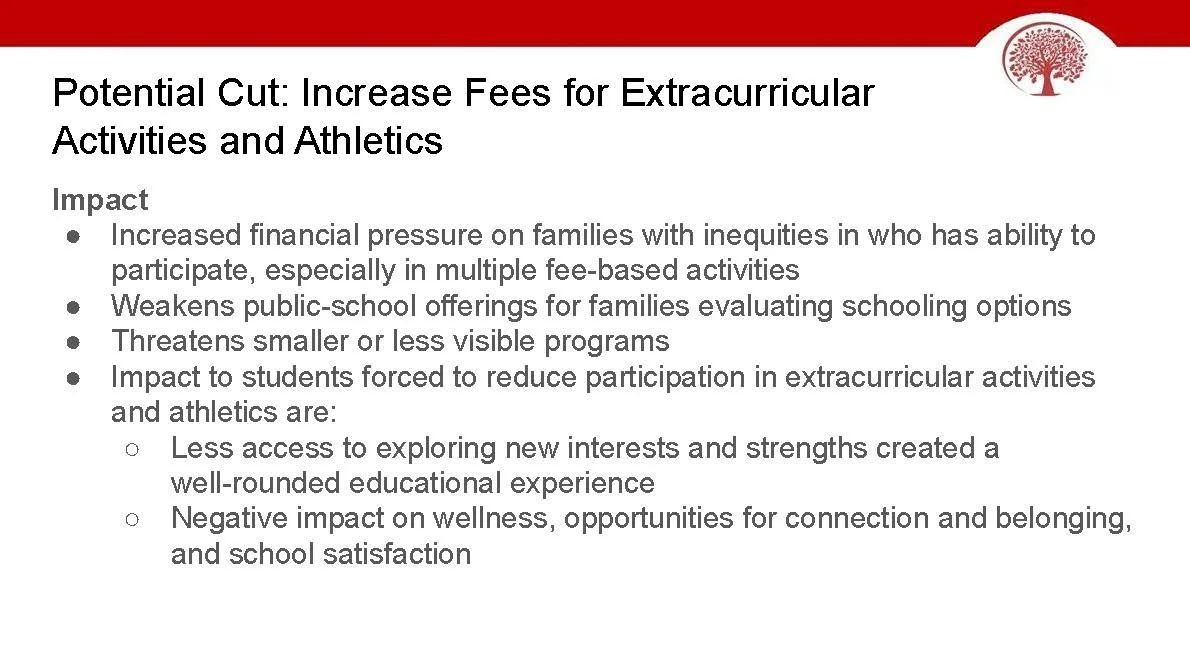
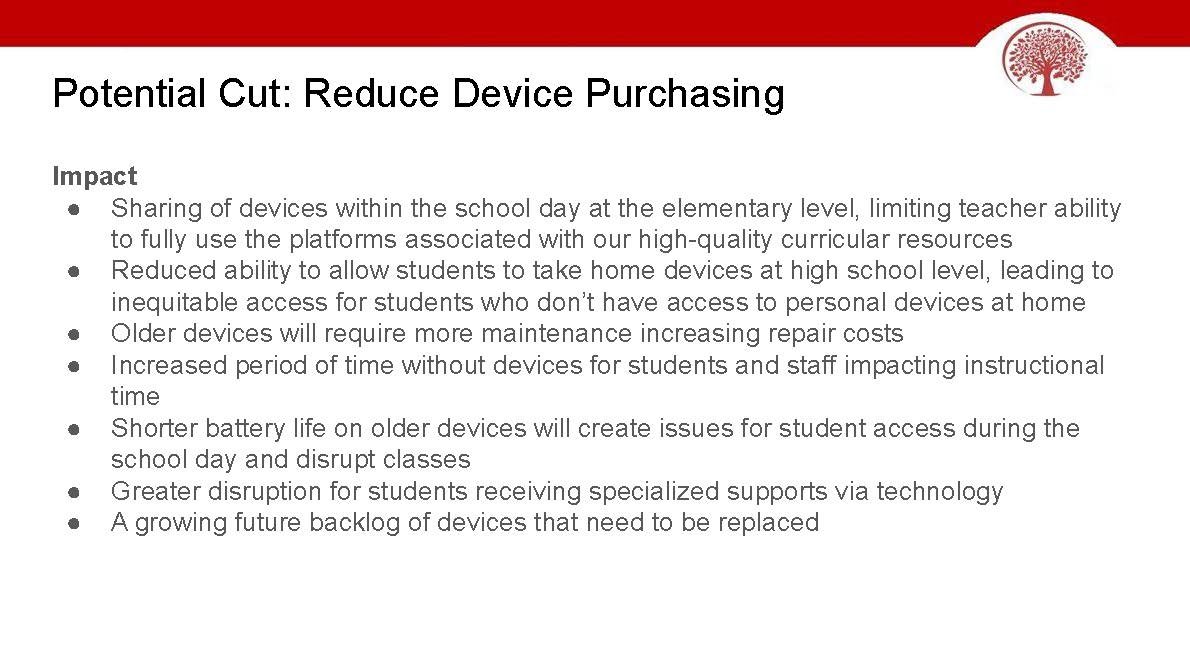
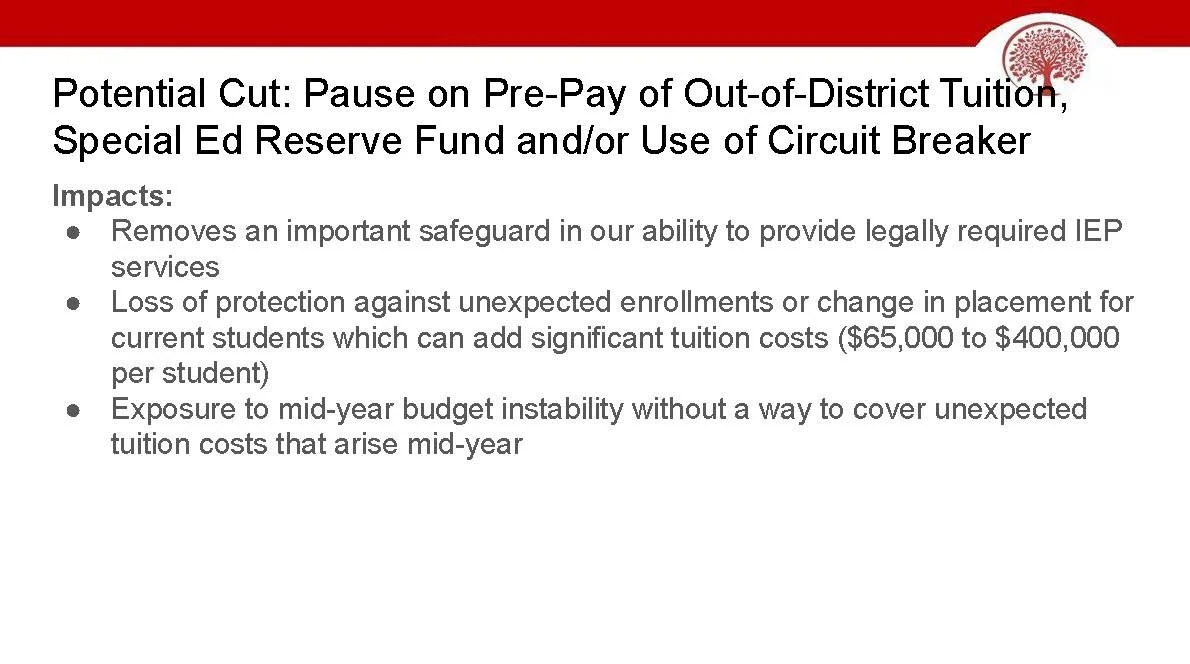
The FAQ follows a presentation the district delivered to the School Committee on Thursday, July 23, outlining the FY28 budget and the impact Reading Public Schools would face if cuts become necessary. A section of that presentation focuses on those potential impacts to the schools. Residents can also watch the Wednesday, July 15, Finance Committee meeting and the Wednesday, July 22, Select Board meeting on the RCTV Youtube page.