Celebrating visibility, identity, and inclusion
(4-5 minute read)
Each year on March 31, 2026, communities around the world recognize International Transgender Day of Visibility, a day dedicated to celebrating transgender and non-binary people while raising awareness of the challenges they continue to face.
What is Transgender Day of Visibility?
First established in 2009, Transgender Day of Visibility is observed annually to celebrate the lives, contributions, and resilience of transgender people, while also bringing attention to ongoing discrimination and inequality.
Unlike other observances that focus on loss, this day emphasizes visibility, recognition, and the importance of representation in everyday life.
From the Human Rights Campaign website:
Transgender, or trans, is an umbrella term for people whose gender identity is different from the sex assigned to them at birth. Although the word “transgender” and our modern definition of it only came into use in the late 20th century, people who would fit under this definition have existed in every culture throughout recorded history.
Cisgender, or cis, generally refers to people who do not identify as transgender. Cisgender describes people whose gender identity or expression aligns with traits typically associated with the sex assigned to them at birth. Some people may not identify as cisgender, but that does not mean they are necessarily transgender.
If you would like to explore more LGBTQ+ terminology, please continue reading this guide or visit our glossary.
Why visibility matters
Visibility plays a critical role in building and understanding connections. The day is meant to:
Highlight the diversity and lived experiences of transgender and non-binary individuals
Help reduce isolation by showing that people are not alone in their identities
Encourage broader awareness of the barriers many still face
At its core, the day is about ensuring that transgender people are seen, heard, and respected in their communities.
A personal perspective
As someone who is trans non-binary, I am incredibly grateful to live in a community that is welcoming and recognizes the importance of education around LGBTQ+ communities.
While I have personally experienced a few instances of transphobia in town, I know there are significantly more people who recognize that trans people are people, just like everyone else.
In my experience, the most effective way to combat hate is through education and visibility. Seeing openly trans people in the community helps normalize those identities and creates space for understanding.
It also matters deeply for younger generations. Visibility allows kids to see a version of themselves they may not otherwise consider.
I didn’t have those resources growing up. A book like Gender Queer by Maia Kobabe would have made a world of difference to me at 11 years old, offering a kind of representation of the human experience I hadn’t seen before. Even reading it in 2023, when it was challenged at the Reading Public Library, it still had a profound impact on me.
A day of celebration and awareness
Across the country and around the world, Transgender Day of Visibility is marked by community events, educational efforts, and personal stories that help broaden understanding.
These efforts aim to both celebrate progress and continue important conversations about inclusion and respect.
Transgender Day of Visibility serves as a reminder of the importance of recognizing and uplifting all members of the community, while continuing the work of building a more informed, inclusive future.
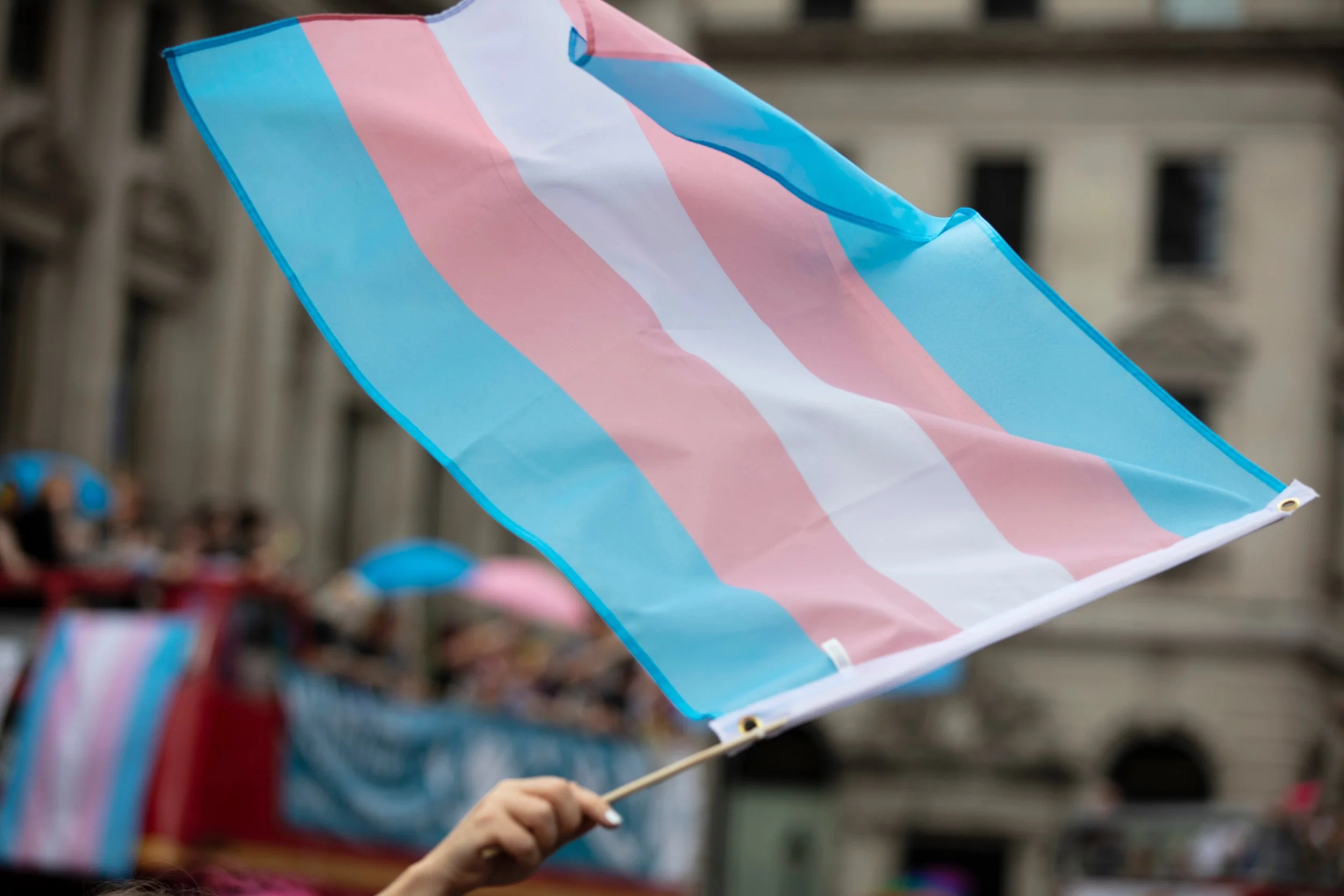
Photo from Adobe Stock Images.
