Historical Commission shares update on 52 Salem Street, exploring preservation options
(3-4 minute read)
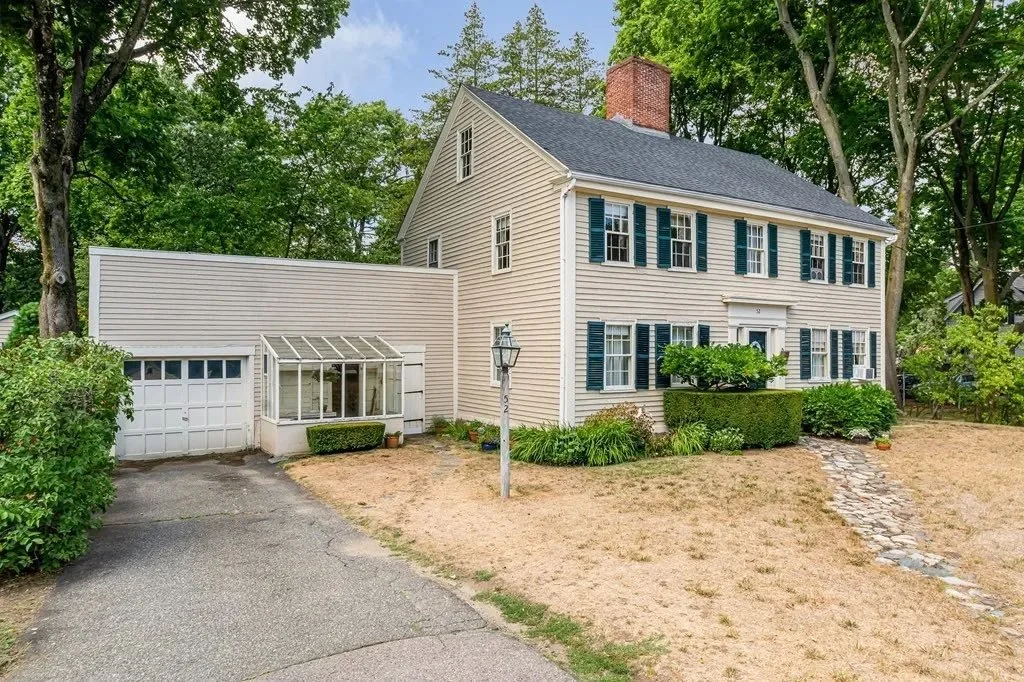
Exterior view of the historic Parker House at 52 Salem Street, a well-preserved example of early New England architecture with later additions. Photo provided by the Historical Commission.
The Reading Historical Commission has provided an update on the future of 52 Salem Street, a historic property that may hold significant cultural and architectural value, including rare interior artwork that could be preserved.
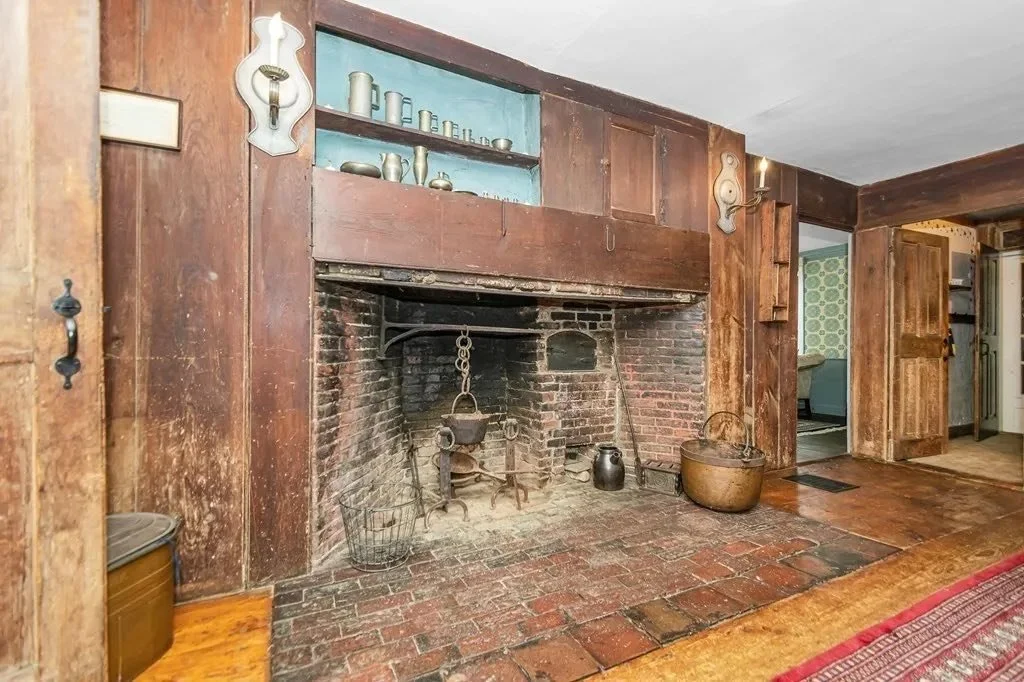
The home, known as the Parker House, dates back to 1792 and is listed on the National Register of Historic Places, the Massachusetts Historic Registry, and Reading’s Historical Property Inventory, reflecting its importance to Reading’s early history.
A rare glimpse inside: murals and stenciling
Recent discussions have focused on unique interior features uncovered at the home, including:
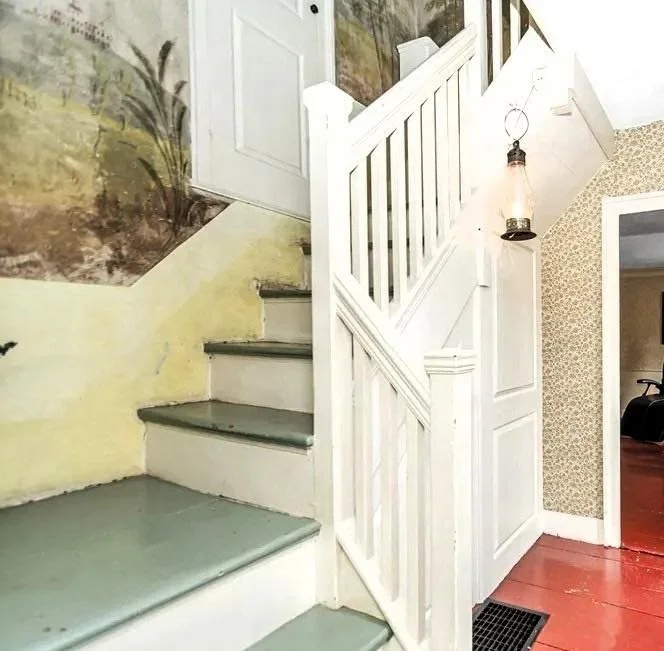
A Rufus Porter-style mural, a rare example of early American folk art
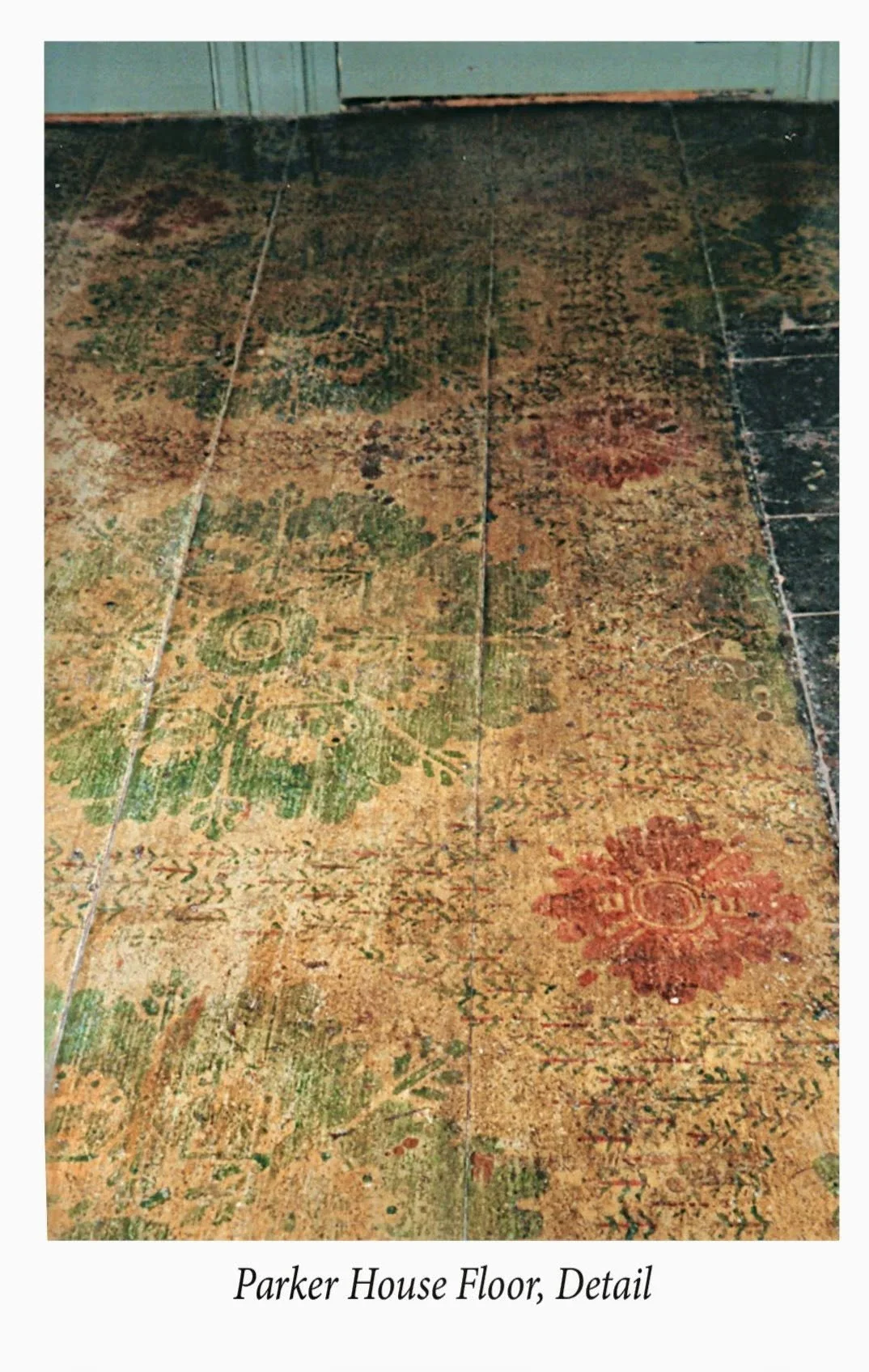
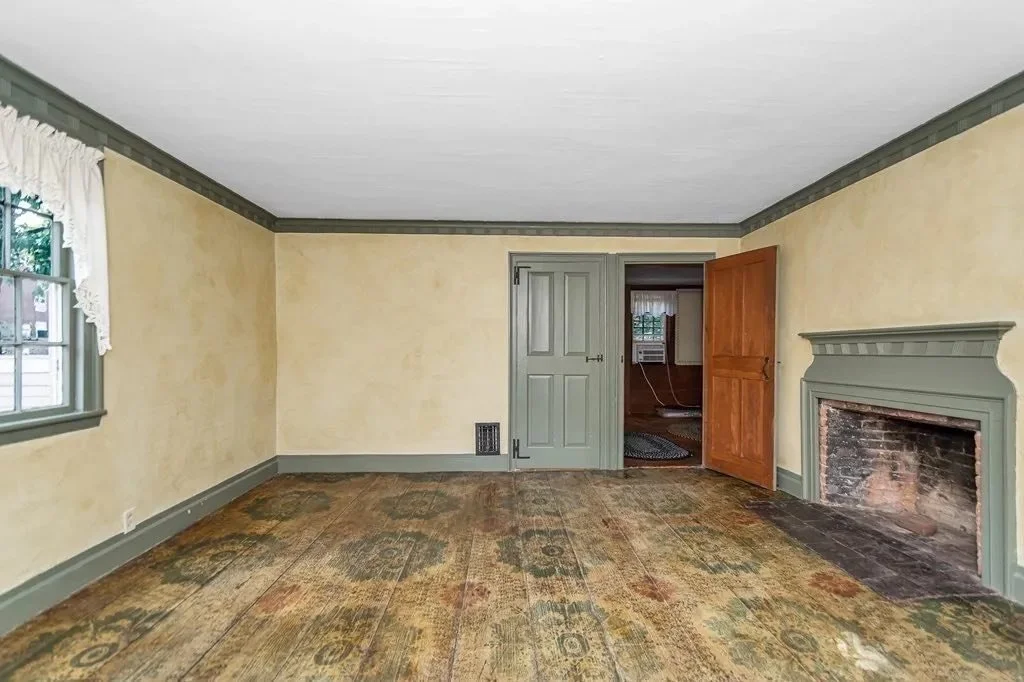
A stenciled floor, another distinctive decorative element from the period
Rufus Porter, a 19th-century itinerant artist, is known for painting landscape murals directly onto plaster walls in New England homes, many of which were later lost to wallpapering or renovation.
These features are considered historically significant and increasingly rare, making their preservation a priority for the Commission.
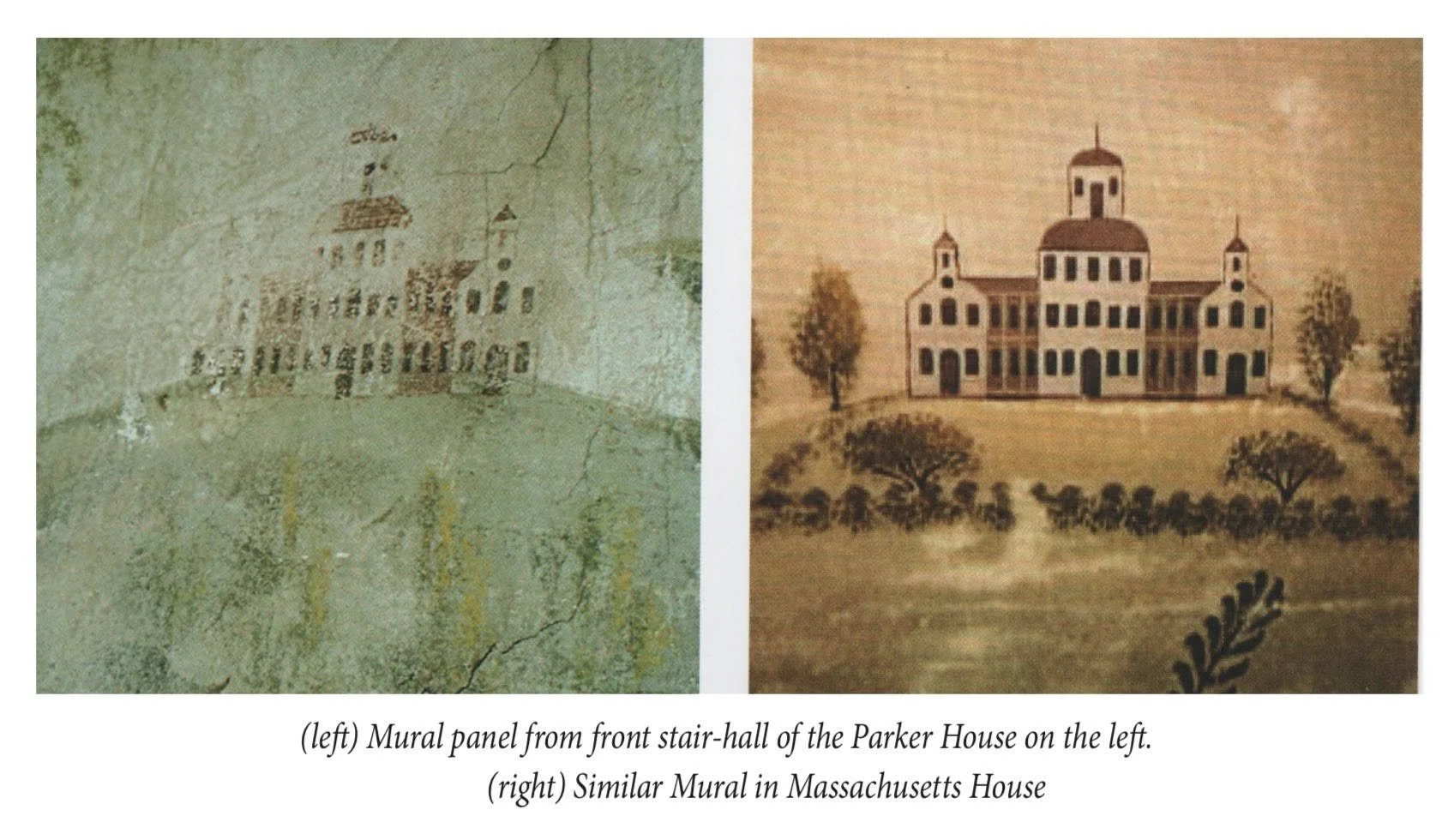
Comparison of a mural panel from the Parker House stair hall (left) with a similar example attributed to Rufus Porter (right), highlighting the historical and artistic significance of the home’s interior artwork. Photo provided by the Historical Commission.
Exploring preservation and salvage options
The Historical Commission is currently working with the property owners to explore options for preserving these elements.
One option under consideration is salvaging the mural and stenciled floor, potentially removing and preserving them for future display or restoration.
Preservation efforts for similar murals elsewhere in New England have involved carefully stabilizing or relocating sections of artwork to protect them for future generations.
The goal is to ensure that, even if the building itself cannot be saved in place, its most historically valuable features are not lost.
A unique opportunity: house offered for free (if you can move it)
In a rare twist, the property owners have indicated they are open to offering the home for free - with one major condition: the recipient must have land available and the ability to relocate the structure.
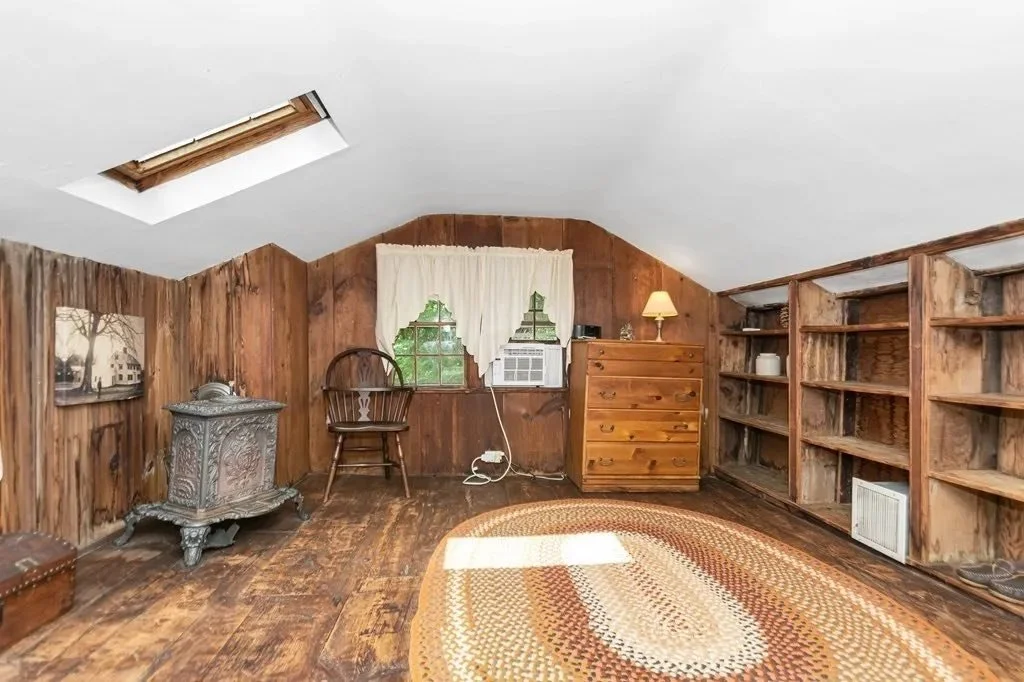
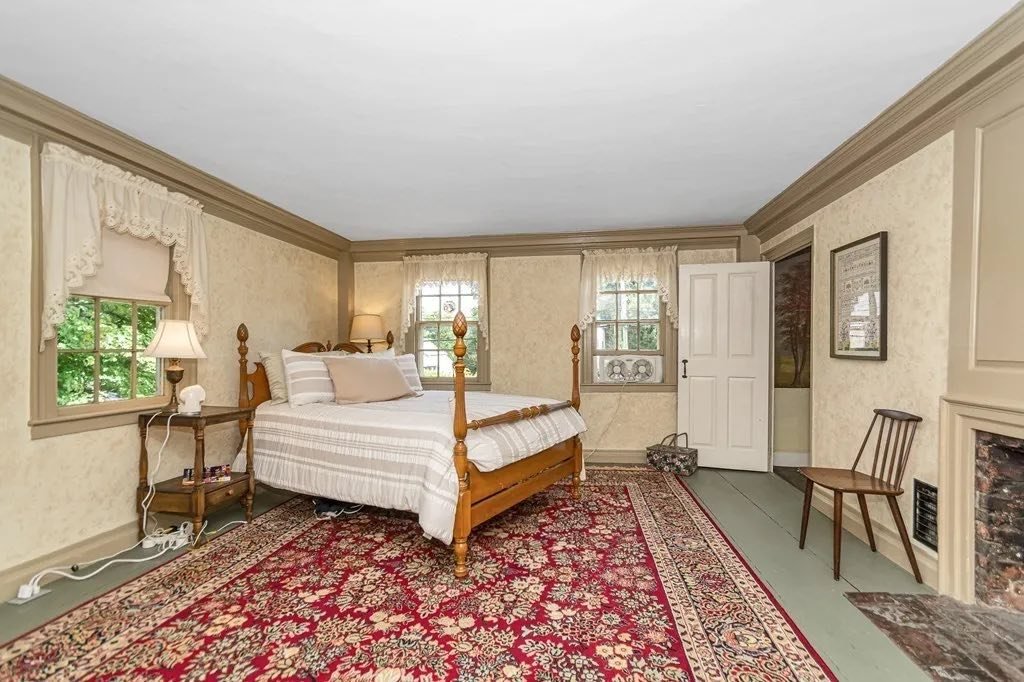
Second-floor room featuring original wide plank flooring wood paneling, and built-in shelving, reflecting the home’s historic character and craftsmanship. Photo provided by the Historical Commission.
Moving historic homes is not uncommon in New England, though it can be costly and logistically complex. Still, this option presents a unique opportunity for preservation-minded individuals or organizations.
What comes next
The future of 52 Salem Street remains uncertain, but discussions are actively ongoing. Key questions include:
Whether the home can be preserved in place
Whether its historic elements can be salvaged
Whether a new homeowner could relocate and restore the structure
The situation highlights a broader challenge facing many communities: balancing development pressures with the preservation of local history.
Why it matters
Homes like 52 Salem Street are more than just buildings; they are tangible links to Reading’s past.
With features like a possible Rufus Porter mural and early decorative stenciling, the property represents a piece of artistic and cultural history that is increasingly rare.
As the Historical Commission continues to work, residents may soon have an opportunity to weigh in on how best to preserve this unique piece of Reading’s heritage.