Save on your sewer bill this season
What you need to know about Reading’s Second Water Meter Program
(3-minute read)
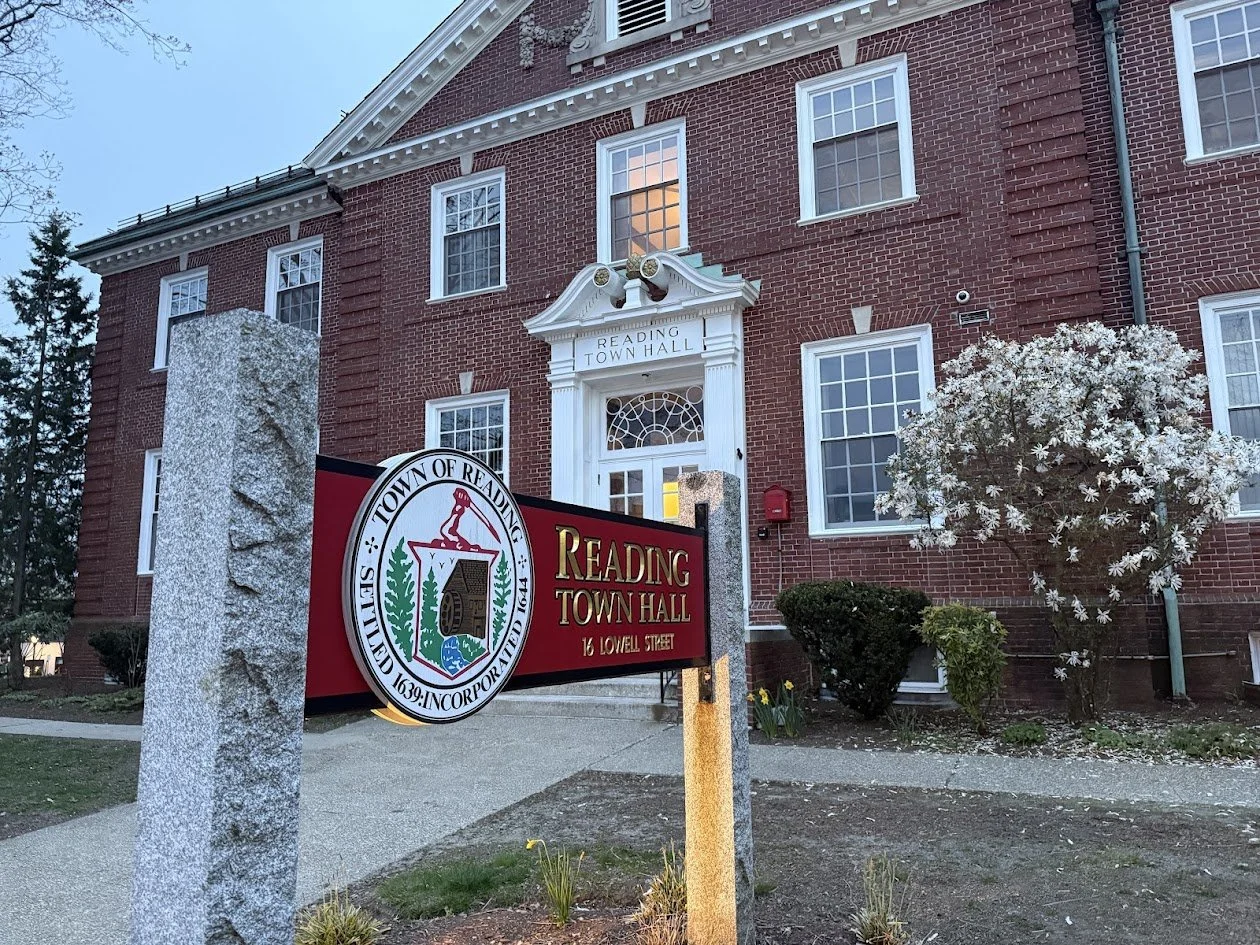
Photo by Taylor Gregory.
As warmer weather approaches, many Reading homeowners turn their attention to lawns, gardens, and irrigation systems, which often leads to higher water bills. But did you know you can avoid paying sewer charges on the water you use outside? The Town of Reading’s Second Water Meter Program makes it possible.
Here is everything you need to know.
What is the Second Water Meter Program?
The Second Water Meter Program allows residential property owners to install a separate meter specifically for outdoor water use, such as lawn irrigation, garden hoses, and sprinkler systems. Because outdoor water does not enter the sewer system, you will not be charged sewer fees on anything measured by the second meter.
The program is a 500-unit-per-year pilot run by the Reading Department of Public Works (DPW), so slots are limited. The second meter is for outdoor use only and cannot be used for indoor consumption purposes.
How much can you save?
Standard water bills include both a water charge and a sewer charge. The sewer charge is typically based on total water consumption, whether that water ends up down a drain or on your lawn. With a second meter, all outdoor water usage is billed at a premium water rate only, with no sewer component added. For homeowners with irrigation systems or high summer outdoor water use, this can represent meaningful savings over a season.
What are the costs to get started?
All costs are the responsibility of the property owner. Here is a summary of the fees involved:
Meter & transponder: $400 (residential)
Water connection application fee: $100 (residential)
Plumbing permit: $50
Backflow prevention device (if needed): $50
There are no refunds or exchanges. Note: tampering with the meter or related equipment carries a $300 fee.
What are the requirements?
Before you apply, make sure your installation will meet the following requirements:
The meter is for outdoor/irrigation use only - not drinking water or indoor use
All irrigation systems must have an operable rain sensor switch
A backflow prevention device is required on all irrigation systems
Installation must comply with all State and Local plumbing codes
The meter must be installed by a licensed plumber with an approved permit and inspection
Only DPW Water/Sewer Division personnel may shut off water at an outside curb stop - not the plumber
All existing second meters must be replaced by Town of Reading staff (by appointment) to meet current standards
How to apply: step by step
The process requires a licensed plumber and coordination with the DPW. Here is how it works:
Your licensed plumber applies for a Plumbing Permit through the Town’s online OpenGov portal.
The plumber attaches their license, workers’ compensation documentation, and drawings of all proposed plumbing changes, including pipes, valves, and connections to faucets or irrigation systems, and pays the applicable fees.
Once the permit is issued, the plumber coordinates with DPW’s Water Division to schedule any required water shut-offs and to prepare the site for meter installation.
After the plumbing work is complete, the plumber contacts the plumbing inspector during office hours (Monday -Thursday, 7-8 AM at 781-942-6615) to schedule an inspection.
Following a successful inspection, DPW contacts the property owner to schedule the second meter installation.
DPW personnel install the meter. Allow for 24-48 hours after the final inspection before scheduling installation.
Apply online through the OpenGov portal.
Questions?
Contact the Reading DPW Water/Sewer Division at 16 Lowell Street. For urgent plumbing or meter valve questions during installation, have your plumber call the Water/Sewer Division office directly before proceeding.
