Commission on Disabilities recap: April 23, 2026
(4-5 minute read)
For residents looking to stay up to date on key town matters, this recap highlights major takeaways from the Commission on Disabilities meeting held on Thursday, April 23, 2026.
Review the full Commission on Disabilities packet.
The meeting brought together the Commission’s inaugural members, including Joe Benassi, Michelle Clopper, Maura Drummey, Michelle Greenwalt, John Halsey, Nicole Hunt, and Mike Moschella, along with town staff support from Albert Pless, Director of the Office of Equity and Social Justice and the Town’s ADA Coordinator.
Key takeaways
Commission launches with strong mix of lived experience and expertise
Members introduced themselves, bringing a wide range of perspectives, from personal and family experiences with disability to professional backgrounds in advocacy, healthcare, and public service, setting a foundation rooted in both expertise and lived reality.
Focus extends beyond ADA compliance to real-world accessibility
While ADA requirements were discussed, members emphasized that minimum compliance is not enough. The group aims to improve how residents can actually experience accessibility in everyday settings, from public spaces to local businesses.
Early priorities include accessibility barriers, coordination, and funding
Initial conversations centered on identifying barriers such as parking, building access, and infrastructure, while also exploring coordination with town departments and pursuing grant funding to support long-term improvements.
Building Commission’s role
Members discussed the broader purpose of the Commission on Disabilities, identifying three key areas of focus:
Advisory: providing recommendations to town departments and leadership
Educational: raising awareness about accessibility and disability needs
Community-building: creating connections among residents with disabilities and those working to support them
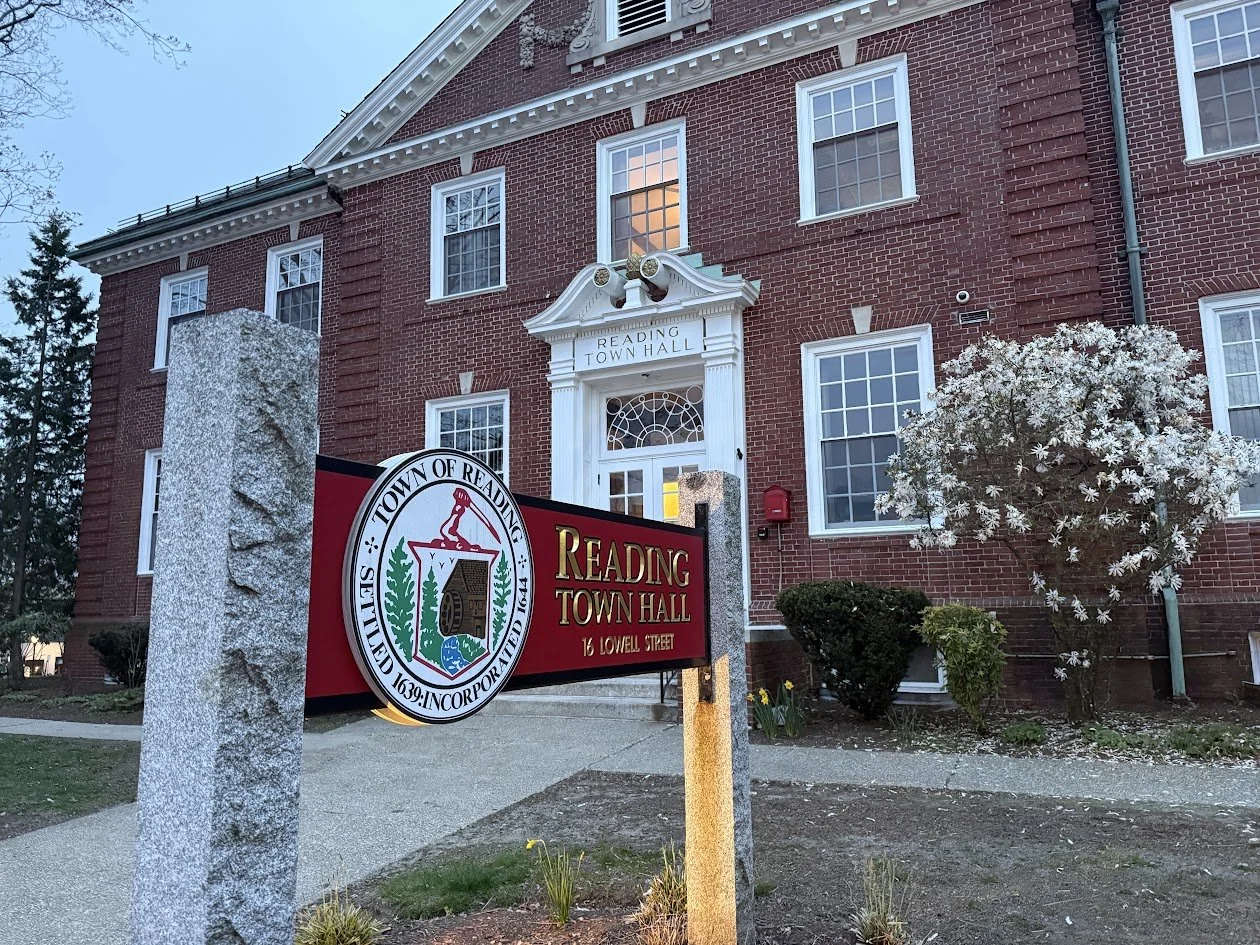
The Commission on Disabilities met in the Select Board meeting room at Town Hall on Thursday, April 23, 2026. Photo by Taylor Gregory.
There was a shared understanding that the Commission can serve as both a resource and an advocate within Town Hall and the broader community.
Accessibility challenges raised
The discussion highlighted several real-world barriers that residents experience, including:
Door access systems that are unreliable or difficult to use
Limited and poorly distributed handicap parking, particularly downtown
Accessibility features that technically meet the requirements but are impractical in everyday use
Members stressed the importance of designing solutions based on actual use experience, not just regulatory compliance.
Leadership and structure
At its first meeting, the Commission established its leadership team:
Chair: Mike Moschella
Vice Chair: Michelle Clopper
Secretary: Michelle Greenwalt
Treasurer: Joe Benassi
Liaison: John Halsey
Members discussed the responsibilities of each role: the chair leading meetings, the vice chair supporting and stepping in as needed, the secretary helping manage notes and follow-ups, and the treasurer overseeing future funding and budgeting.
The addition of a liaison role reflects the Commission’s focus on coordination, helping connect with other town boards, departments, and neighboring communities to share best practices and advance accessibility efforts.
ADA grant opportunity and funding discussion
A significant portion of the meeting focused on an ADA grant program, which could support accessibility planning and improvements in Reading.
Key points included:
The potential need for a town-wide ADA Transition Plan, which would likely require outside consultants
The availability of planning and project grants
The importance of building a budget and identifying funding sources early
Members also discussed learning from other communities that have successfully secured similar funding.
Coordination with other towns and departments
The Commission emphasized the importance of:
Learning from established disability commissions in neighboring towns
Partnering with local departments on accessibility planning
Avoiding duplication of effort by building on existing models and best practices
This approach is intended to accelerate progress while ensuring solutions are tailored to Reading’s needs.
Next steps
Members left the meeting with several initial assignments, including:
Researching ADA transition plans and associated costs
Connecting with nearby commissions and insight and guidance
Beginning to define priorities and long-term goals
The Commission is expected to meet regularly moving forward, with a tentative meeting scheduled for late May.
As a newly formed body, the Commission on Disabilities is in its early stages, but the first meeting made clear the group’s commitment to improving accessibility, strengthening community connections, and ensuring that residents with disabilities are better represented in local decision-making.
